
RF Spectrum Intelligence
for Airports
The RF Environment Airports Can’t Afford to Ignore
An airport is one of the most complex RF environments on earth. Within a single facility, aviation radio frequencies coexist with radar, ATIS, ILS and VOR navigation systems, ground-control communications, private LTE and CBRS networks, passenger Wi-Fi, building automation, IoT, and the personal devices of thousands of travelers. Every system depends on spectrum. Any disruption can cascade from inconvenience to incident.
Despite this complexity, most airports lack comprehensive visibility into their RF environment. They rely on reactive troubleshooting when interference surfaces as a complaint or operational failure — often long after the underlying cause could have been identified and resolved.
DGS changes this. CLEARSITE™ and CLEARSKY™ give airport operators, airlines, and aviation stakeholders continuous, real-time intelligence about the spectrum environment they depend on.
Key Challenges
The Threats Airports Face in the RF Spectrum
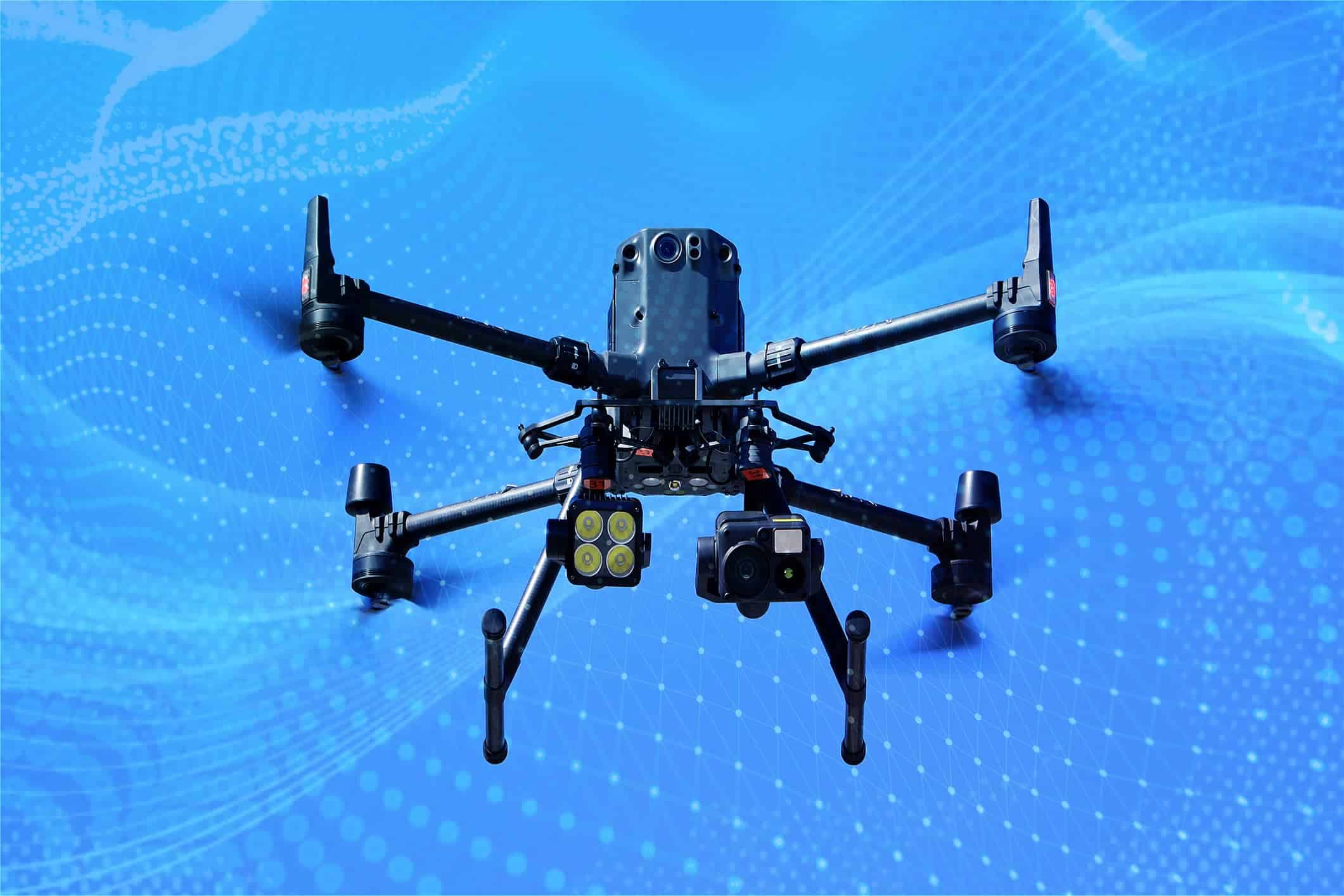
Drone Incursions
Drones near airports are among the most disruptive and dangerous RF-enabled threats in civil aviation. Even small consumer drones can force runway closures and ground stops when detected near approach paths or restricted airspace — creating cascading delays and significant economic loss. Sophisticated incursions, whether by curious hobbyists or deliberate bad actors, require early detection to enable response.
CLEARSKY™ detects drone control links and telemetry signals before aircraft are visually identifiable, providing early warning that allows security teams to respond before a drone reaches a critical area.
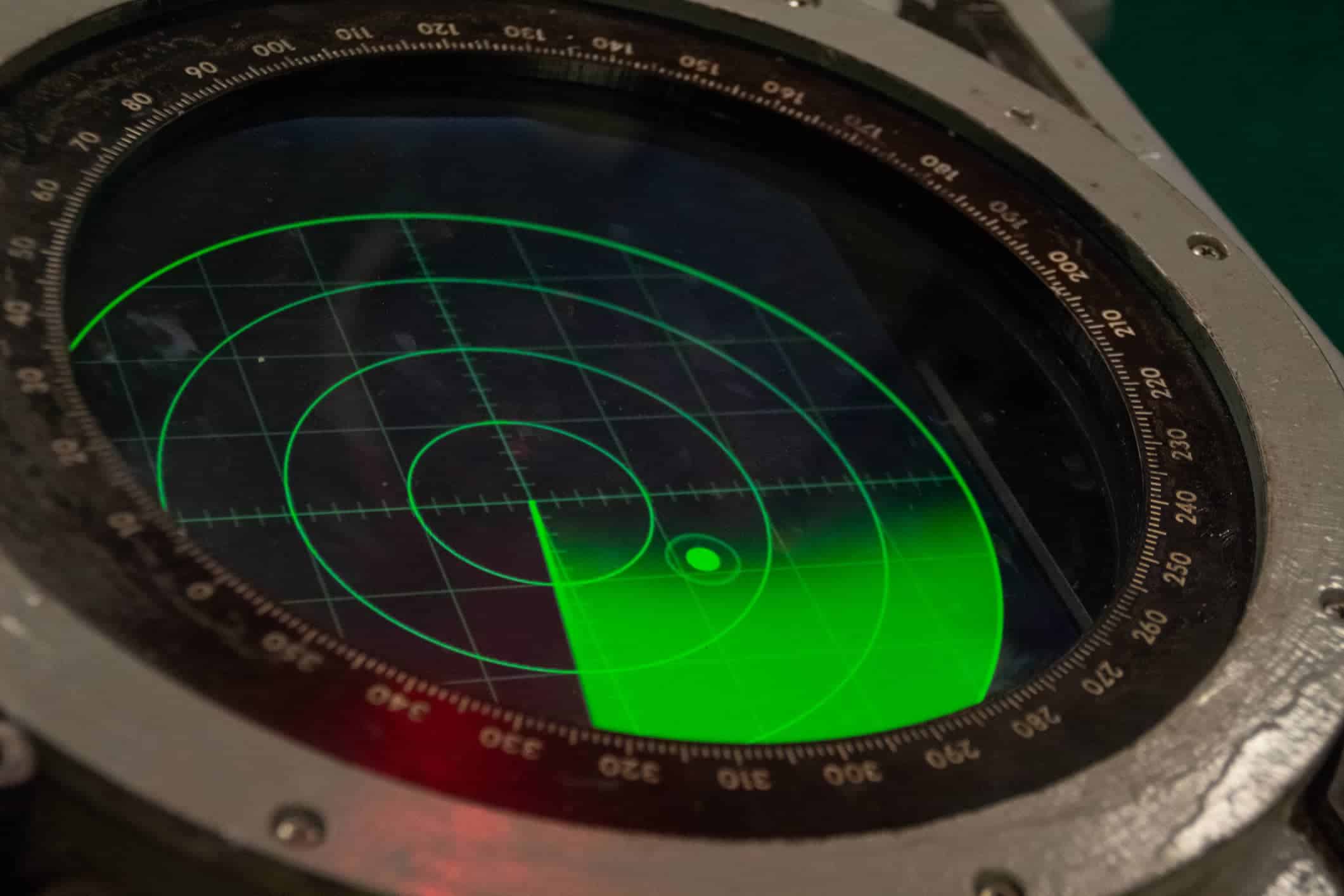
Radio Frequency Interference
Aviation depends on clean spectrum for safety-critical communications. Interference to VHF air-ground radio, ILS glide-path signals, ground communications, or emergency frequencies can have direct operational and safety consequences. Sources range from malfunctioning equipment and illegal transmitters to deliberate jamming.
CLEARSITE™ monitors the full RF environment continuously, detecting and geolocating interference sources before they affect flight operations — and logging forensic data for regulatory reporting and investigation.

Private Network Complexity
Airports are accelerating digital transformation: deploying private 5G networks for ground handling and baggage automation, CBRS-based operations networks, and expanding Wi-Fi infrastructure for passengers and tenants. Each new network adds to the RF complexity and creates new potential for interference and coexistence failures.
CLEARSITE™ provides the spectrum baseline and ongoing monitoring needed to validate new deployments, identify coexistence issues before they affect operations, and maintain quality of service as the wireless footprint grows.

Contraband Devices & Security Vulnerabilities
Airports are high-security environments where unauthorized wireless communications represent a genuine threat. Contraband devices in secure areas, covert communications near restricted zones, and unauthorized transmitters within the airfield perimeter are detectable by CLEARSKY™ — even when invisible to cameras and physical security systems.

What DGS Delivers
What DGS Delivers
Contact Us
Let’s discuss the future of your organization’s wireless environments
"*" indicates required fields